
Case Profile: The Staffy
It’s high time that this breed got a special mention on the case profile list. With their infamous reputation, you’d think that they’d have appeared sooner - you know, with all of that dangerous aggression and all. But the truth is, I just don’t work with that many of them, and when I do - it’s never for aggression. There are however two issues which I do see commonly. Fear of traffic - and being too friendly with people to the extent that it causes either Separation Anxiety or over arousal.
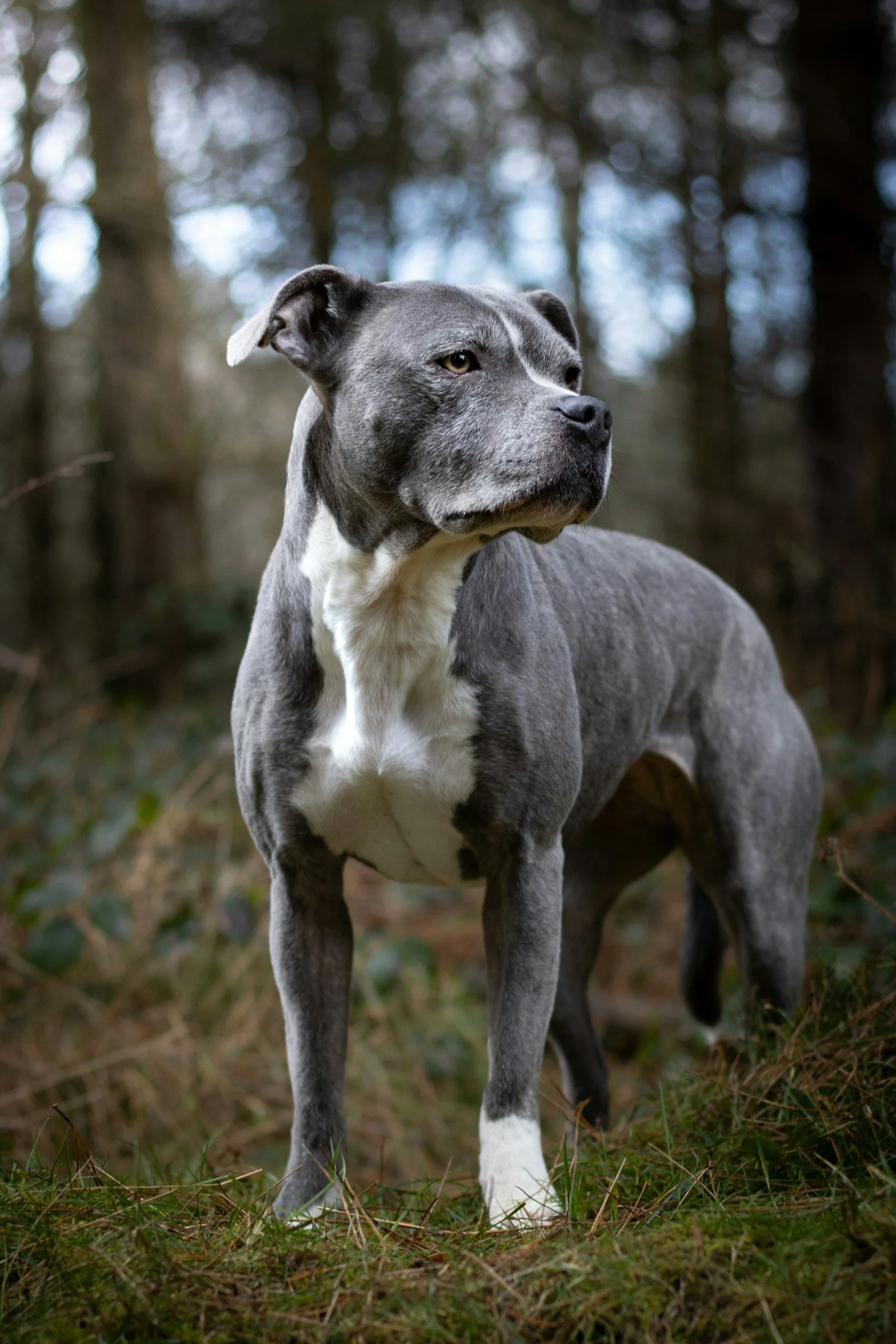
BREED(S): Staffordshire Bull Terrier.
Owners most commonly see me for: Fear of traffic or other environmental noise. Separation Anxiety when left on their own. Over excitement and arousal around people, overly or obsessively affectionate (particularly males).
Most Common symptoms include: Shaking, refusing to walk. High levels of anxiety when left alone, including destructive behaviour and physiological stress presenting as skin allergies, loss of hair, panting and drooling. High levels of Excitement around people, jumping up, licking, rubbing into people, whining and crying, occasional humping.
Occasional symptoms include: More intense jumping up, grabbing and biting at clothes and toys.
Case Breakdown: It’s a funny thing what a bad reputation can do to genetics over time. The stafforshire terrier was the archetypal bad boy of the 90’s, and as a result the breed has been under intense pressure to reform. I don’t think I have ever seen such a dramatic shift, and 30 years later, that commitment to great temperament is obvious - so much so that most of the issues with the staffy are almost the opposite of what people expect.
Staffies have always been what I call ‘soul dogs’ - one of those breeds that seems to stare right into your soul when they look at you, and know what you’re thinking before you do. Something that they share with my favourite breed, the spaniel. Both have an incredibly high orientation towards people, but staffies seem to take it to another level when it comes to their obsession with human beings. That comes with many delights, and some challenges - because all of that loyalty needs to be kept within healthy limits for this breed to succeed.
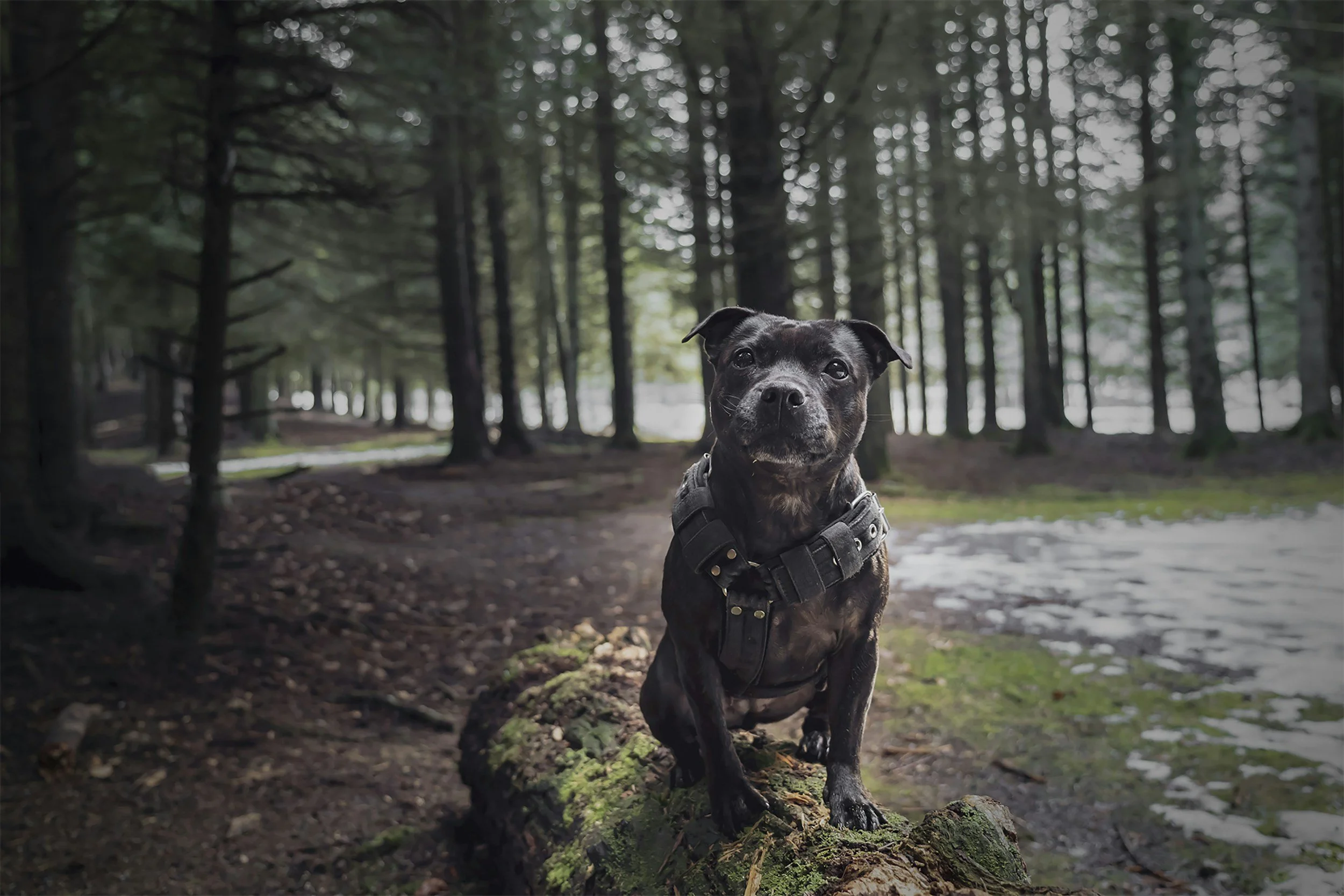
Staffies aren’t going to do much of anything by halves, particularly not in their younger years - so be smart about where you direct their attention, in a way that is structured and easy to put limits on.
They want to be with you. They make it a mission. Teach them to take breaks.
Staffies bring a ‘gladiator style’ way of being to everything that they do, and having been bred for their affinity to people over the last 30 years, that can turn into obsession. It can become over affectionate and obsessive, it can become anxious and over attached. Which means all of the normal things we talk about when it comes to dogs with separation issues matter more with staffies than most. Teach them to sleep independently, teach them to chill out on their own. Teach them to bond with as many different people as possible so that they don’t become non-functional if their favourite human isn’t there. In essence, help them to spread that love around, and temper it in a way thats manageable in the long term.
When it comes to overstimulation - lowest common denominator rule applies here. teach them to behave with everyone the way they need to with a 5 year old or a 95 year old. Gentle, polite and calm.
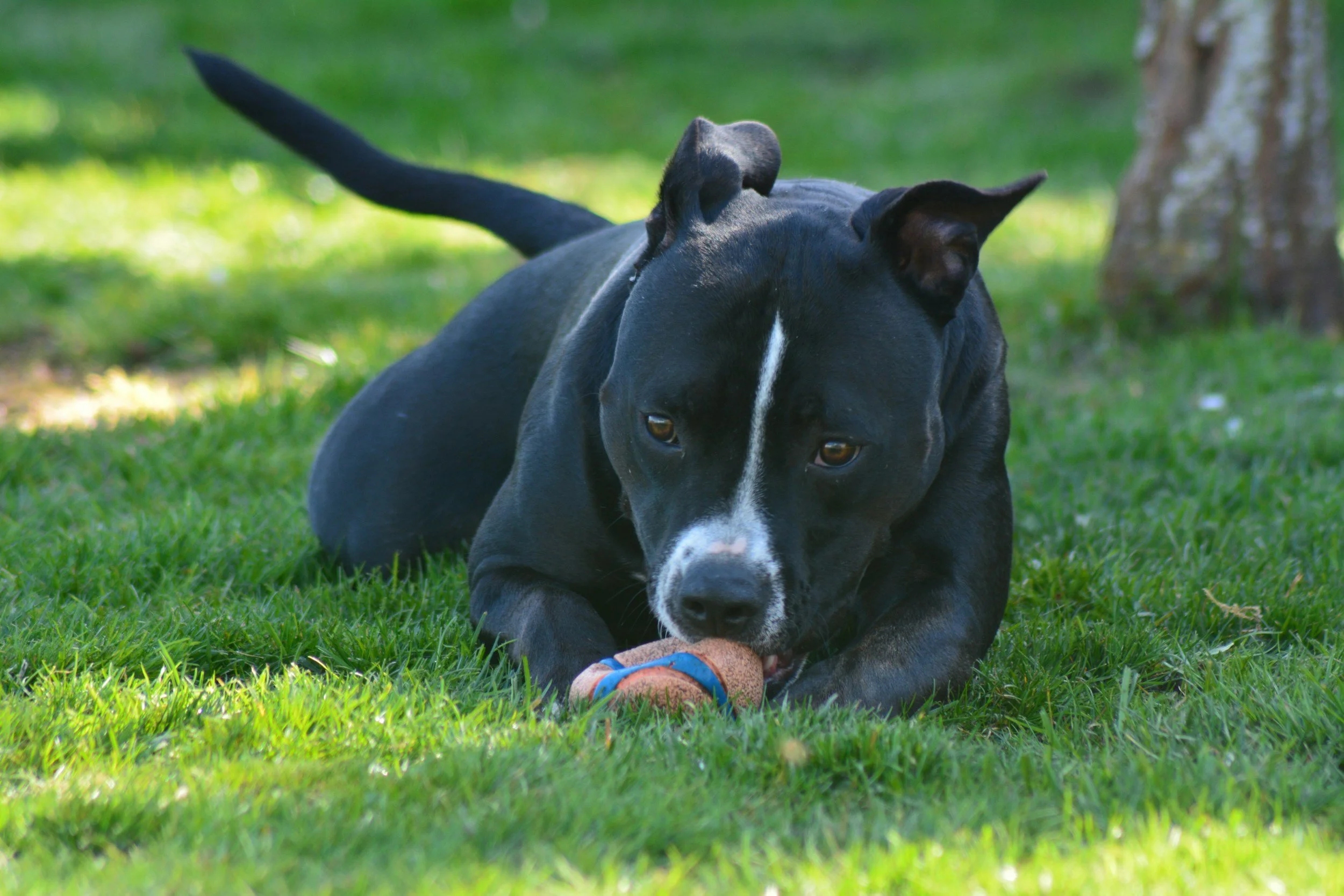
They want to love hard and play hard. Give them an outlet that works.
Staffies aren’t going to do much of anything by halves, particularly not in their younger years - so be smart about where you direct their attention, in a way that is structured and easy to put limits on. If you teach them to play ball, expect them to play intensely - so slow them down and teach them to rest and wait. If you want to up the ante with a game like tug, be careful - its not an easy thing to put back in the box, and you have to make sure there is a strong release and clear limits on when and where they can grab and play. if you don’t everyone becomes fair game, and they won’t know they’re hurting people.
Environmental and Sound Fears
It’s a different kind of issue, and oddly enough another thing that is shared with spaniels - but if someone tells me they have a dog thats scared of traffic, theres a 50% chance it will be a staffy. Now here’s the problem, the fear or uncertainty normally isn’t that bad - but the sensitivity to how people respond to that fear is huge, and it compounds the issue very very quickly. As soon as a Staffy thinks you have a problem - they have a problem too, and with fear that can be a really big issue.
I know it’s easier said than done - but stay calm, don’t coddle them - and focus on where you want to go. If you need help with fear, It’s one of my key specialisations and you can read more about it on my Fears and Phobias Page. Or check out our Fear Season Articles:




Steps towards resolution:
Get your foundations right. Whether thats your crate training and place work, you basic obedience, or your boundary setting - get them taught well and clearly so that you can rely on them when behaviour becomes challenging.
For fears and phobias, we teach tension and release work on the lead to help unlock nervous dogs and help them move forwards. Definitely something we encourage you to work through in person.
Get your Soul Dog the right Support.
Staffies are the dogs that we never forget, even though we don’t see a lot of them. They aren’t complicated - they just need really consistent, quality input. If you’re local to Yorkshire and the North East, we’d love to chat.
