The Dog’s Way Digital Library
Exclusively for our friends at

Raise your dog the way that we raise ours.
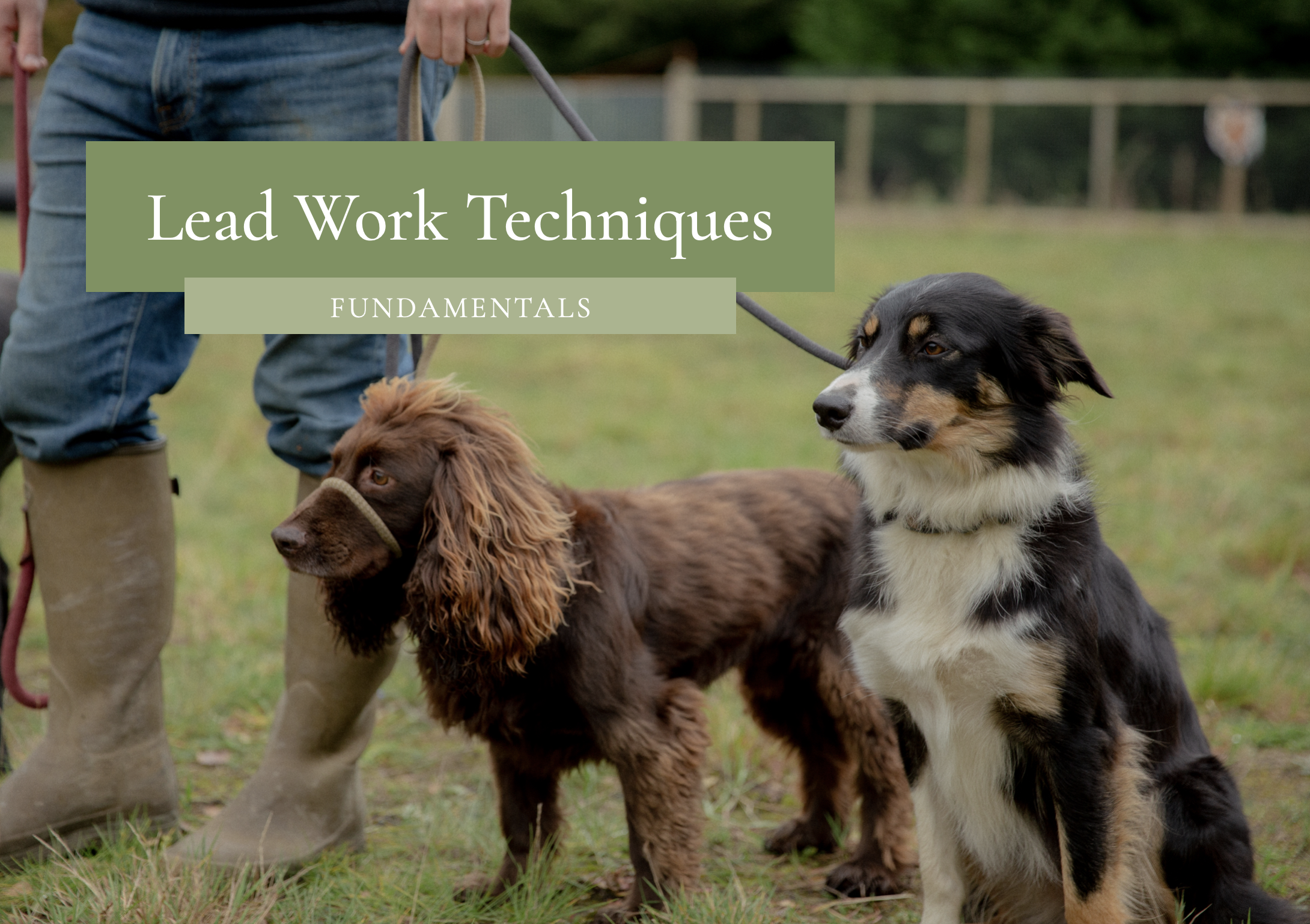
We know how important it is to create the best initial impression when introducing your dog to a new lead, which is why we’re happy to share our lead work training videos for free, for our friends at Willow & Porter. There’s also a host of other tips and tricks in the video library, many of which are free to watch.
We hope you enjoy.
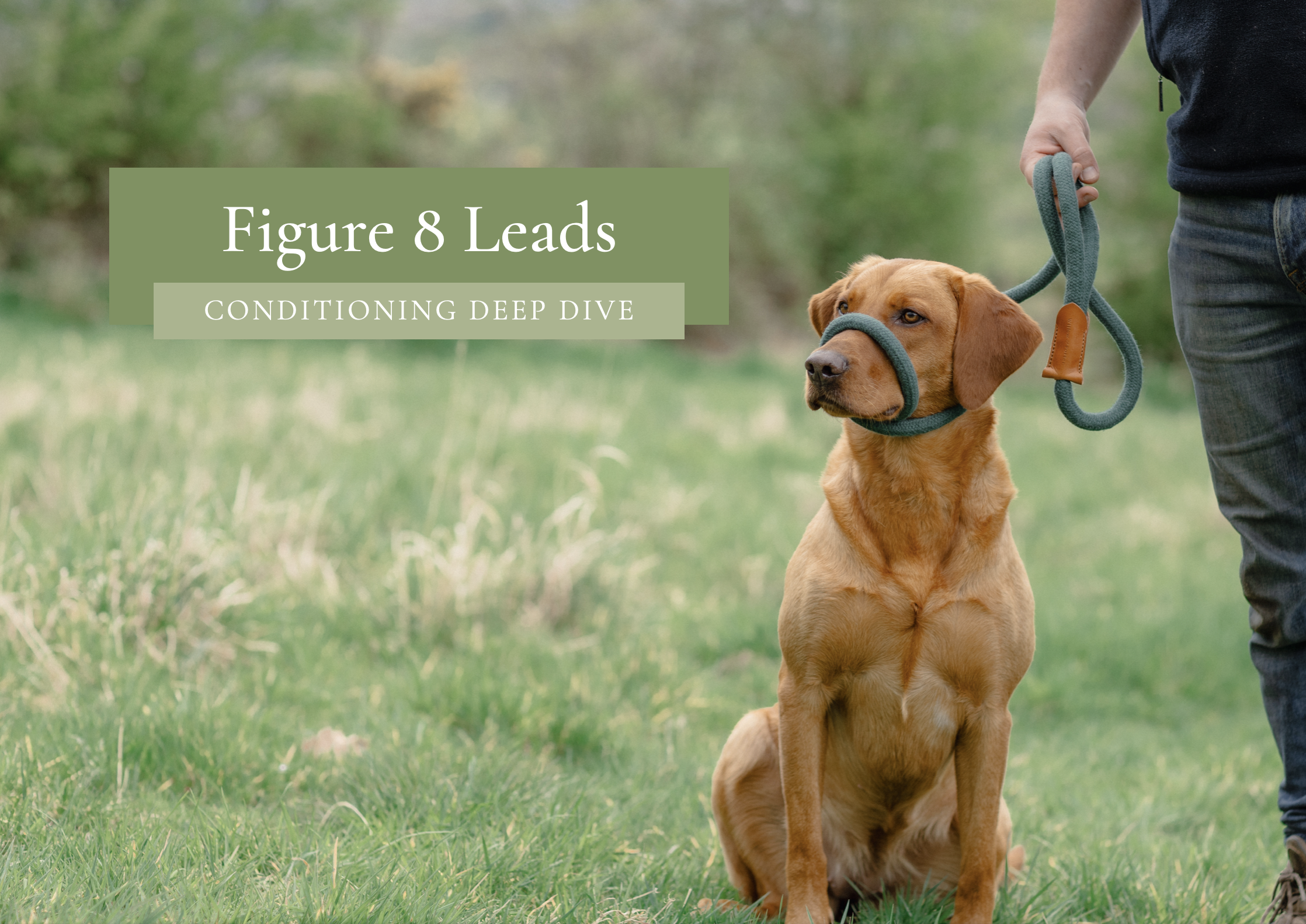
Our Conditioning Protocol for Figure 8 Leads.
Members Exclusive Preview Video.
In this exclusive members preview, we explore how to condition your dog to a figure 8 lead, in a way that introduces them slowly and gently, building trust and familiarity.
More Free Preview Videos:
In this introductory video to our Guarding Dynamics series, we explore the human-do interactions that create guarding behaviour. The different types, where they come from and what we can do about it.
In this video, we discuss the fundamentals Separation Anxiety, as an introduction to our Separation Anxiety Deep Dive.
In this video, we discuss the fundamentals Separation Anxiety. We look at the two types - True and Learned Separation Anxiety - what they are, and how to diagnose them. We also discuss what Separation Anxiety isn’t, and why common training systems create False Positives, and ultimately fail to resolve separation related issues. We then discuss the 3 pars ystem that we use for resolving both true and learned separation.
Picking up objects that they find is a very normal part of being a Puppy. How you respond can have a big impact on how your puppy perceives the value of these objects, and over time can be a significant factor in how guarding or possessive behaviours form.
You can see here Théo has found a little stick - nothing to be concerned about and very unlikely to cause any issues. This is the case with most things your puppy will find, though increasingly I see owners of young dogs worrying about risk because of horror stories they have read online.
By over reacting, and trying to snatch or grab the object away from your puppy, you will elevate the value of the object significantly, and your puppy will learn to keep picking these objects up in future. So instead, the best thing to do is generally to ignore the puppies, who will usually put the object down very quickly when they realise no one has any interest in it.
Proper exposure to the world around them builds confidence and resilience in young puppies - but what exactly should this look like? And how can you balance out these needs whilst ensuring your puppy is getting the appropriate level of exercise they need?
When it comes to the word Socialisation, a lot of problems can be prevented by exposing your puppy to new experiences in the right way - which means in a calm and relaxed manner. In this video, we take Théo to a National Trust property, which has the right balance of different stimulation for a young dog. He spends about 2 hours taking in the sights and sounds at a relaxed pace, whilst being taught to stay calm and ignore people, birds and other novel experiences.
In this video, we do a deep dive into the process of introducing the figure 8 lead to Layla the Border Collie.
In this video, we discuss the factors that motivate our decisions around the right tools for our dogs - and we look at the benefits of a Figure 8 lead for balancing out safety, comfort and control.
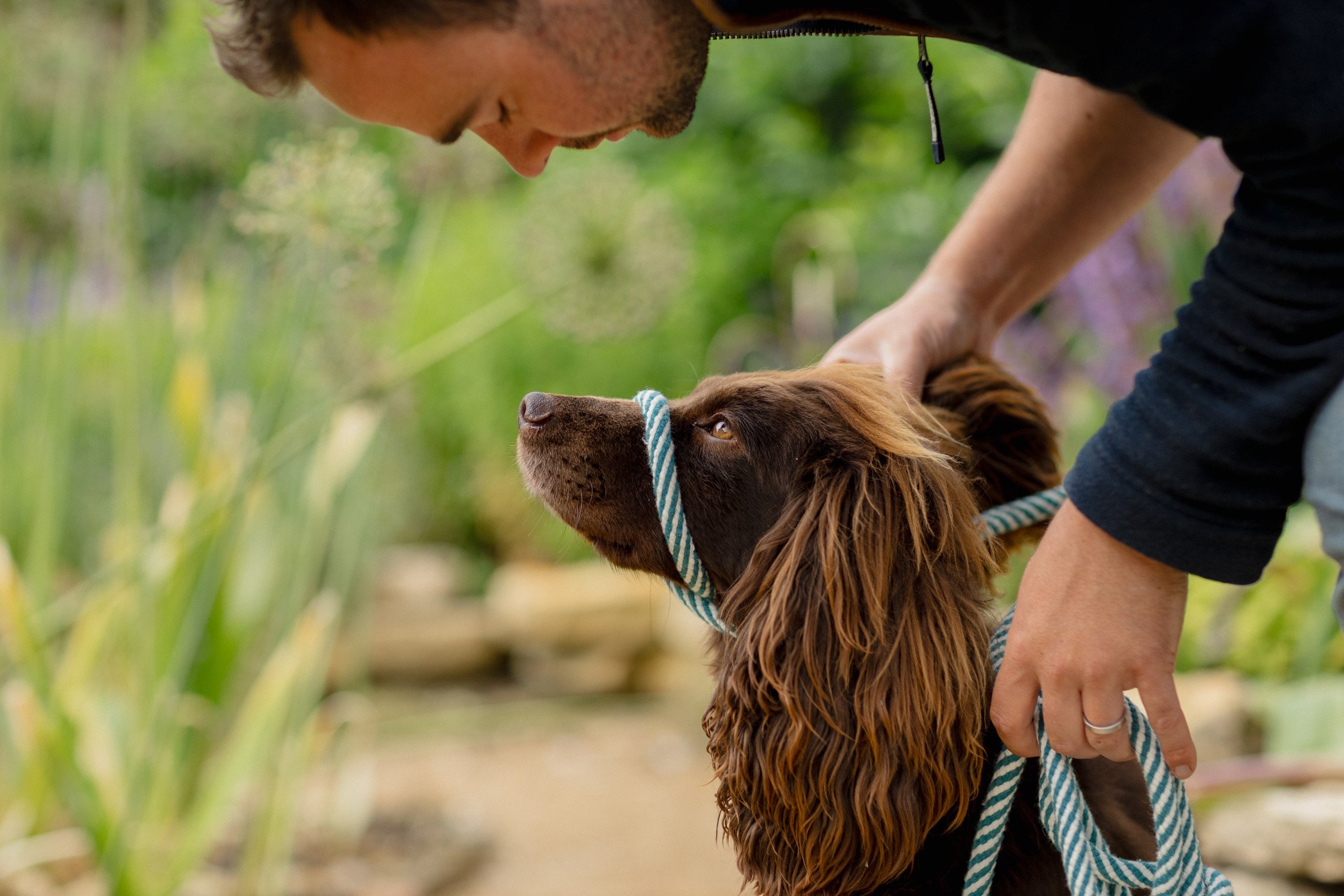
When conditioning a Figure 8, or other head collars to use for safe walking, there is a protocol that I always follow to make the process as easy as possible.
When conditioning a Figure 8, or other head collars to use for safe walking, there is a protocol that I always follow to make the process as easy as possible. These are the rules I work through with every dog.
Your dog will never accept, or be conditioned to, something painful or uncomfortable.
If an object is not painful or uncomfortable, a dog will still assume that it may present a risk to them, in that it may trap or restrict their free movement or decision making. in these instances, your dog will enter fight or flight. Therefore, it is essential to demonstrate to your dog that they do have free movement and agency to make their own decisions, whilst wearing a new tool. In the early stages, allow them to move freely and practice as many natural behaviours as possible.
“Don’t scratch your Chicken pox” - Your dog should be allowed to move freely, with the one condition being that they do not fuss the lead on their face. Always interrupt these behaviours so that they do not become habit, and so that your dog learns to accept the lead as a normal part of their experience.
Teach your dog to communicate with and control the Sensation - by adding gentle and gradual changes in direction. Your dog should learn that they can release tension by choosing to move and follow you.
Sharing a chew with your puppy, and teaching them how to receive it and give it calmly is an essential skill to get in place early on. Building on the touch imprint, and expanding on conflict resolution principles builds a solid foundation to prevent guarding issues further along the line.
This activity has several benefits - the first of which is that puppies learn to get comfortable with having your hands around their mouths when they are holding and chewing objects. Resource Guarding is at its core a relationship issue, and comes from an unhealthy relationship with touch, space, and competition for objects of value. By practicing sharing activities, we can eliminate these problems before they become an issue.
Be sure to check out our video on Conflict Resolution, in which we explore similar, complementary skills.
In this video, we do a deep dive into the process of introducing the figure 8 lead to Layla the Border Collie.